The Verdict
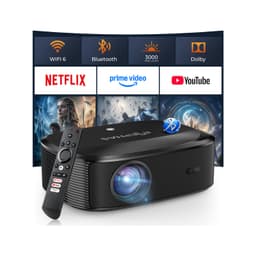
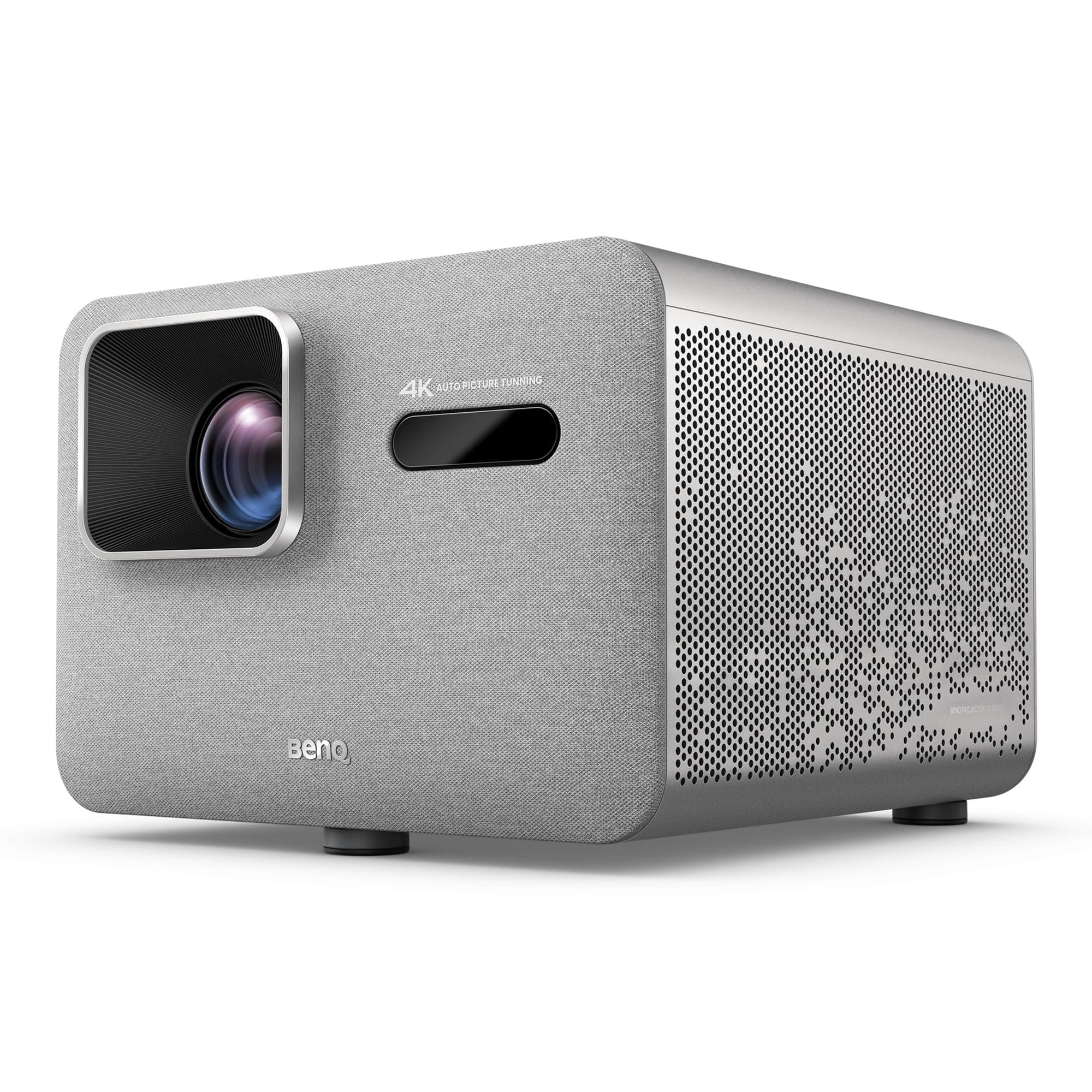
The BenQ TK705STi is a technically impressive short-throw projector that delivers on its core promises of a bright, 4K picture and low-latency gaming in a compact form factor. For apartment dwellers or anyone with limited space, its ability to cast a 100-inch screen from just a few feet away is a legitimate game-changer. However, the influencer-driven hype on platforms like TikTok conveniently glosses over critical usability flaws, most notably a complete lack of optical zoom and a questionable physical design. These issues, combined with a premium $1599 price tag, place it firmly in the 'overhyped' category. It’s a powerful machine with a frustrating lack of flexibility that undermines its 'set up anywhere' appeal.
What Went Viral
The BenQ TK705STi flooded home-tech feeds with a simple, powerful premise: transform any room into a massive 4K cinema or gaming arena, no matter how small. Videos, often sponsored, showcased the projector effortlessly casting a vibrant, 150-inch image onto a plain wall from a coffee table. Creators highlighted the 3000 ANSI lumens of brightness, which allows for viewing even in rooms with some ambient light. The built-in Google TV with Netflix, low input lag for console gaming, and automatic image correction features like autofocus and keystone were presented as a seamless, all-in-one solution that made traditional, complex projector setups look obsolete. The appeal was clear: instant, huge-screen gratification without the hassle.
What the Comments Actually Say
Beneath the polished sponsored posts, a more nuanced picture emerges from actual user feedback. While the TikTok comment sections are sparse, discussions on Reddit and detailed YouTube reviews reveal a consensus on both strengths and weaknesses. Users universally praise the short-throw capability and the low input lag for gaming, with many calling the experience 'brilliant' and 'immersive'. The convenience of built-in Google TV is another frequently cited benefit.
However, the criticisms are consistent and significant. The most common complaint, echoed by expert reviewers and Reddit users alike, is the projector's fixed lens.
As a Reddit user in r/projectors noted, the TK705STi has no optical zoom or lens shift. This means adjusting the image size requires physically moving the entire unit back and forth, a major inconvenience that contradicts its portable-friendly marketing.
Brightness is another point of contention. While BenQ advertises 3000 ANSI lumens, CNET's independent testing measured a much lower 1,280 lumens in its most color-accurate mode. While still considered 'reasonable,' it's a significant discrepancy. An Amazon reviewer, despite praising many features, was ultimately returning the device due to a 'massive flaw' in the adjustable leg design, which required constant readjustment every time the projector was moved.
Technical Comparison
Compared to a standard long-throw projector, the TK705STi's primary advantage is its throw ratio. A typical projector might need 10-12 feet of distance to create a 100-inch screen; the BenQ does it in under 7 feet. This is a non-negotiable benefit for smaller living spaces. Furthermore, its integrated Google TV and robust built-in speakers (though most recommend an external sound system) offer an all-in-one package that many standard projectors lack, often requiring a separate streaming stick and audio setup. The 3000 advertised lumens also position it as brighter than many entry-level models, making it more versatile for daytime viewing.
However, the standard projector market often provides more flexibility where the BenQ falls short. Many competing models, even at lower price points, include optical zoom and lens shift.
These features allow you to adjust the image size and position without moving the projector itself, offering far greater placement freedom. The BenQ's reliance on digital zoom and physical repositioning feels like a step backward for a premium device.
The Catch
The central catch with the BenQ TK705STi is the critical disconnect between its marketing as a flexible, easy-to-use projector and the reality of its fixed hardware. The lack of optical zoom is not a minor inconvenience; it's a fundamental limitation that dictates exactly where you must place the unit. You don't position the projector for convenience; you arrange your room around the projector's required position for your desired screen size. This, combined with an Amazon reviewer's report of a frustrating leg adjustment mechanism, severely undermines its 'grab-and-go' appeal. For $1599, users should expect basic optical controls that have been standard in the industry for years.