The Verdict
The WALKINGPAD Folding Treadmill is a clever piece of engineering that genuinely solves a problem for a specific audience: the space-constrained remote worker who wants to stay active. It delivers on its core promise of a functional, under-desk treadmill that can be tucked away after use. For this reason, it earns a 'Worth It' rating. However, it is not a replacement for a traditional, robust treadmill. Its high price tag is accompanied by a surprisingly heavy frame and recurring user complaints about long-term durability, particularly concerning the walking belt and folding mechanisms. It’s a specialized tool, not an all-purpose home gym centerpiece.
What Went Viral
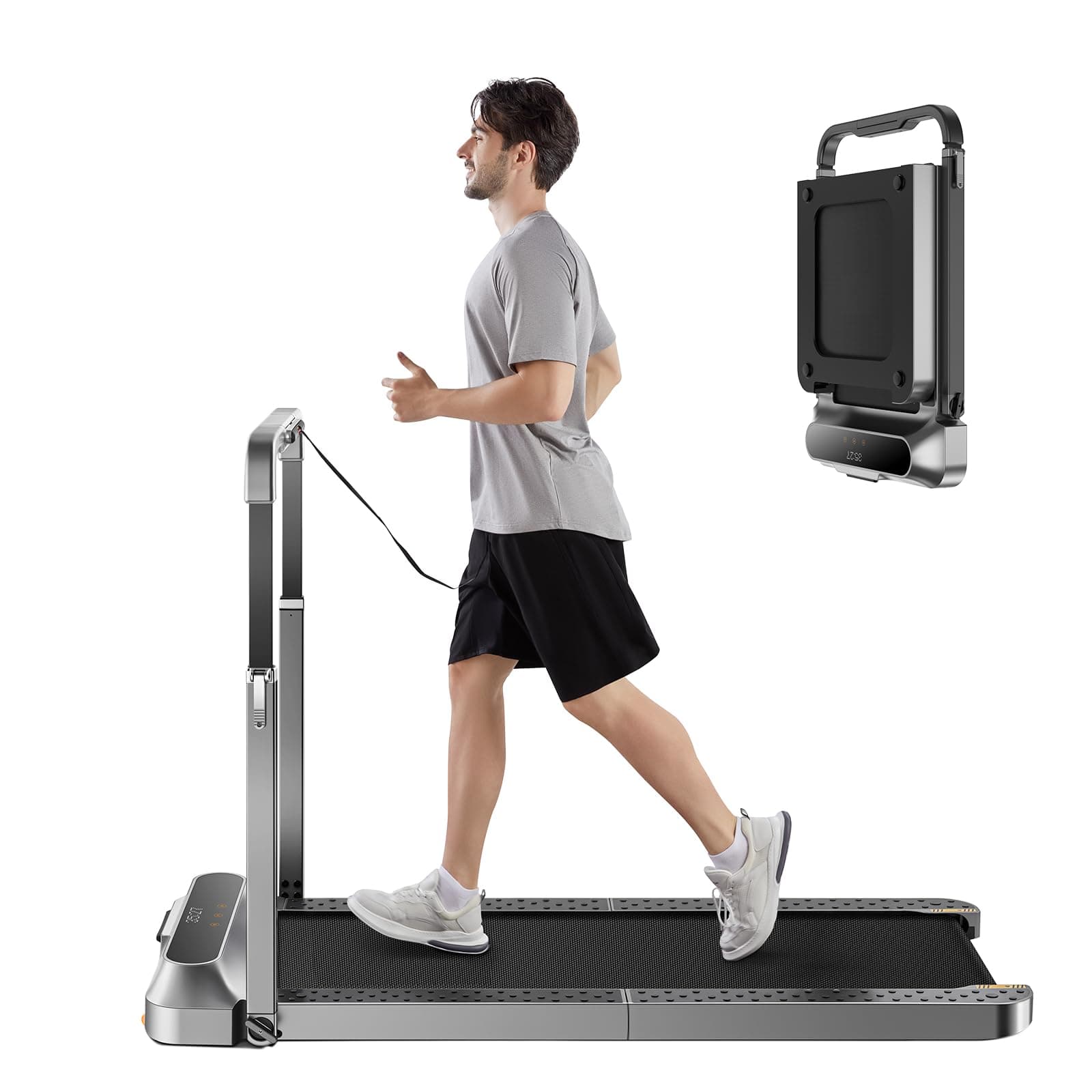
With over 21 million views on TikTok, the WALKINGPAD became a fixture on the For You Page, perfectly timed for the rise of remote work culture. Creators framed it as the ultimate WFH productivity hack, allowing them to get their steps in—the so-called 'hot girl walk'—without leaving their desk. Videos showcased its most compelling feature: the ability to fold in half and slide under a couch or bed. This visual promise of a clutter-free home office where fitness and work coexist seamlessly is what propelled the WALKINGPAD to viral stardom.
What the Comments Actually Say
Beyond the polished influencer posts, a more nuanced picture emerges from user comments and reviews. On TikTok, the sentiment is overwhelmingly positive. Users like medical student @medical.elina praise it for boosting physical and mental energy and making it easy to meet daily step goals. The convenience and space-saving design are consistently lauded.
However, Reddit discussions reveal a significant divide in user experience. While some users in r/WalkingPads report daily, trouble-free use and high satisfaction, others in r/treadmills voice "huge disappointment." A recurring and serious complaint involves the glue on the walking belt detaching, creating air bubbles and loud noises after minimal use.
This quality control concern is echoed in Amazon reviews and on YouTube. The top critical Amazon review calls the unit "super heavy" with "cheaply built" sliding mechanisms that wobble. Multiple YouTube reviewers, while praising the quiet motor and compact design, consistently point out that the handrails feel wobbly and can be difficult to adjust. The consensus is that while it's great for walking, the deck length may be too short for comfortable running for many users.
Technical Comparison
The WALKINGPAD's primary advantage over a standard treadmill is its form factor. Traditional treadmills are bulky, semi-permanent installations that dominate a room. They offer higher top speeds, robust incline functions, and wider, longer decks designed for serious running. They are built for performance first, convenience second.
The WALKINGPAD flips that equation. Its entire design philosophy is built around convenience and storage. The trade-off is a lower top speed (up to 12 km/h or 7.5 mph on the R2 model), a shorter deck, and a complete lack of an incline function. It prioritizes fitting into your life over pushing your athletic limits.
The Catch
The central compromise of the WALKINGPAD is the conflict between its portability marketing and its physical reality. While it folds, the unit is extremely heavy, making the process of moving and storing it a workout in itself, as one Amazon reviewer noted. The innovative folding mechanism, its main selling point, also appears to be a source of potential long-term weakness. Recurring complaints about wobbly handrails, belt adhesion failure, and finicky locking mechanisms suggest that the complexity of the design may compromise its durability compared to a simpler, non-folding machine.