The Verdict
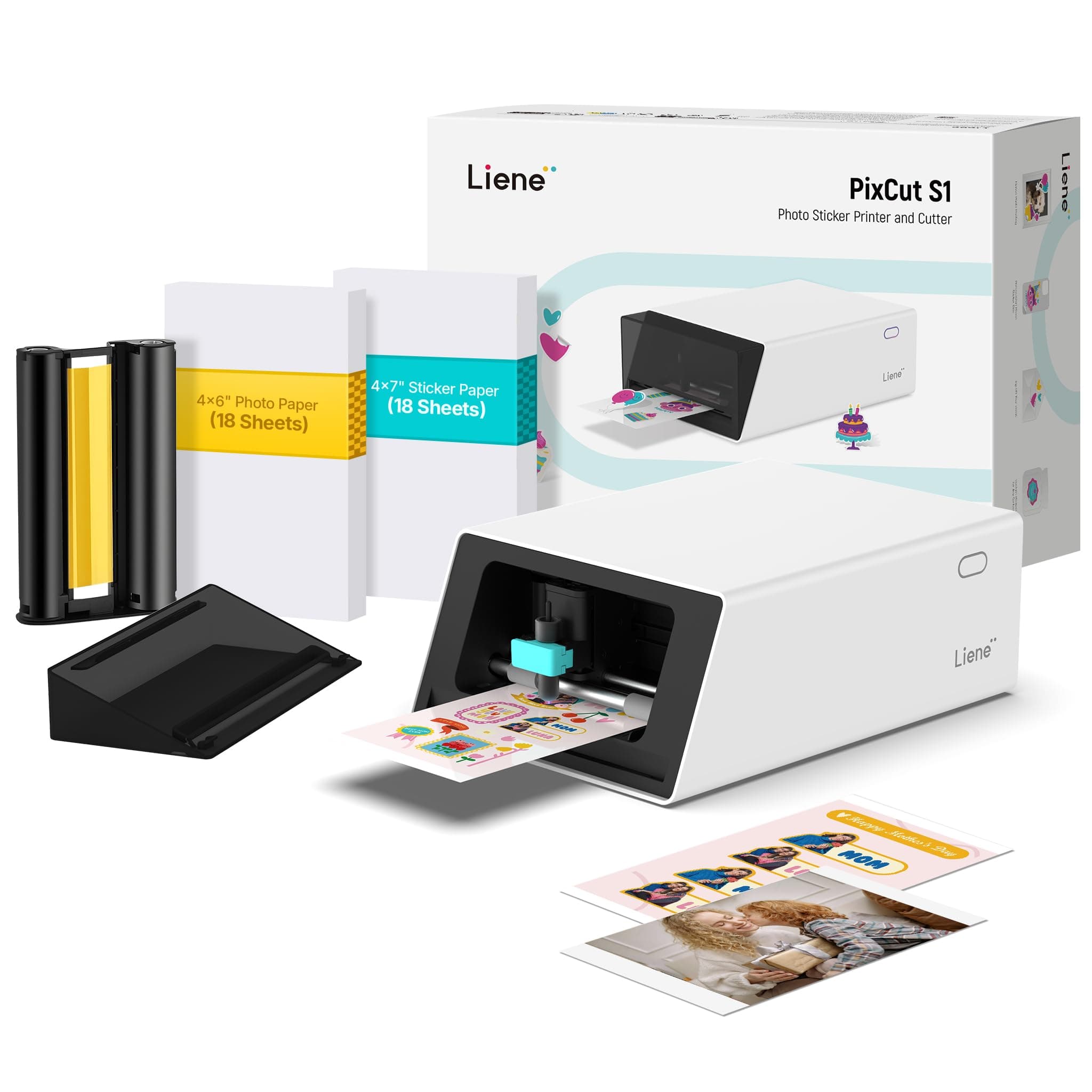
The Liene PixCut S1 is a genuinely innovative device that delivers on its core promise: high-quality, full-color, custom-cut stickers from a single, compact machine. For hobbyists, journalers, and small-scale creators who prioritize convenience and print quality above all else, it's a compelling package. The dye-sublimation prints are vibrant, durable, and have a professional laminated finish that an inkjet printer can't easily replicate. However, this convenience comes at a cost—not just in the initial price, but in the expensive, proprietary consumables and a critical flaw with its sticker adhesive that keeps it from being a universal recommendation.
What Went Viral
The PixCut S1's appeal on TikTok is its sheer simplicity. Videos show users turning a digital photo into a sheet of perfectly kiss-cut stickers in under two minutes, a process that traditionally requires a separate printer, a bulky cutting machine, and a multi-step workflow. The all-in-one, app-driven nature makes a complex craft accessible, tapping directly into the massive audiences for DIY crafts, custom gifts, and small business tools. With an 8.73% engagement rate, the promise of becoming a "pro at making stickers" with minimal effort clearly resonated.
What the Comments Actually Say
Across platforms, real-world user feedback is consistent: the print-and-cut technology is impressive, but the materials have limitations. The praise is almost universal for the print quality itself. The 300 DPI thermal dye-sublimation process creates vibrant, waterproof, and pre-laminated photos and stickers that users love.
"The print quality is amazing—colors are vibrant, crisp, and honestly look just as good (if not better) than the photos I used to pay to have printed," noted one top Amazon reviewer, echoing sentiment from YouTube creators who were "super surprised by the quality."
The primary and most significant complaint revolves around the proprietary sticker paper. A deep dive into Reddit and YouTube reviews reveals a pattern of frustration with the adhesive.
A recurring theme is the sticker paper's weak adhesive. Users on Reddit reported stickers not sticking to paper, while a YouTube reviewer noted they adhered poorly to a plastic cup. Another creator found the stock stickers had "horrible" oxidation resistance, failing a simple weather and heat test when used as a car decal.
Other criticisms focus on the total reliance on Liene's ecosystem. The machine requires proprietary ink and paper bundles, which users find expensive. The system is also driven entirely by a mobile app with no PC support, which limits more complex design workflows.
Technical Comparison
The standard method for making custom stickers involves two devices: an inkjet printer and a die-cutting machine like a Cricut or Silhouette. This setup offers immense flexibility—you can print on a wide variety of third-party vinyl, paper, and specialty materials. The downside is the two-step process, which requires careful alignment (printing registration marks) and moving the sheet from the printer to the cutter. It’s more versatile but slower and requires more space.
The Liene PixCut S1 integrates these functions. It uses thermal dye-sublimation, which heats a ribbon to transfer ink onto special paper, laminating it in the process for durability. Its integrated AI-guided drag knife then cuts the design.
The PixCut S1 trades the material versatility of a traditional printer-cutter combo for unparalleled speed and simplicity. You're locked into Liene's ecosystem, but the workflow is undeniably faster and more user-friendly for beginners.
The Catch
The gap between the slick TikTok demos and everyday reality lies in the consumables. The single biggest catch is the weak adhesive on the standard sticker paper, which undermines the very purpose of a sticker. While the prints are beautiful, users report they can curl or peel off surfaces that aren't perfectly smooth. The second catch is the cost and ecosystem lock-in. You cannot use third-party ink or paper without voiding warranties or risking performance issues, making the cost-per-sticker significantly higher than a traditional setup.